Film vs. Digital: Which Medium Fits Your Wedding Photography Buffalo Vibe?
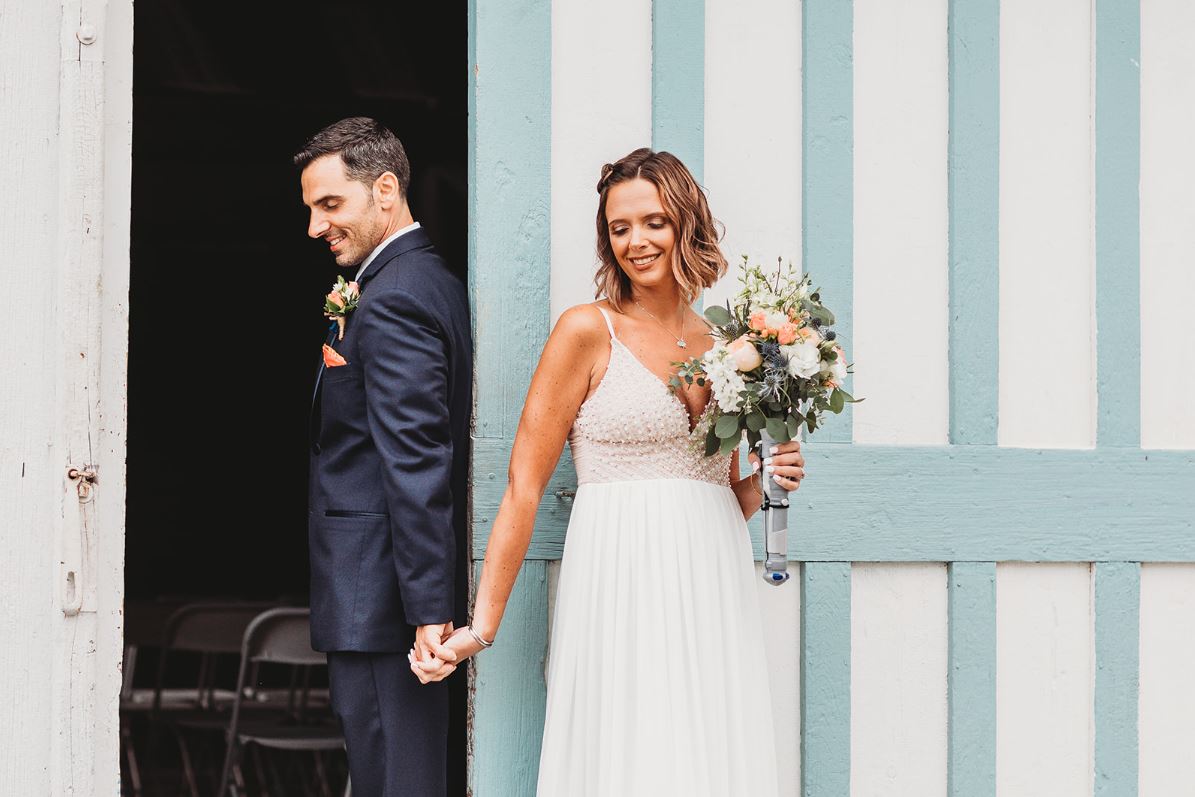
Film photography did not die. It got expensive, slow, and selective, and a group of wedding photographers in Western New York kept shooting it anyway.
Thank you for reading this post, don't forget to subscribe!Meanwhile digital cameras got so good that the gap in image quality closed and then reversed. A 2026 digital body outresolves medium format film, sees in near darkness, and delivers 900 images from a single wedding.
So the choice isn’t about quality anymore. It’s about what you want the pictures to feel like, how much you’re willing to spend, and how long you’re willing to wait.
The Actual Difference Is How Each Medium Handles Light It Wasn’t Expecting
Strip away the nostalgia and this is the technical core.
Color negative film holds highlights extraordinarily well and struggles in shadow. Overexpose film by two stops and it still looks fine, often better. Underexpose it by two stops and the shadows go muddy and colorless.
Digital sensors work in reverse. They hold shadow detail beautifully and clip highlights hard. Blow out a white dress in bright sun on digital and that data is gone permanently.
That single difference drives everything else.
What It Means at a Buffalo Wedding
A July ceremony at a lakeside venue in Hamburg with full sun at 5pm is a highlight problem. Film handles that. The dress keeps texture, skin stays soft, and the sky doesn’t turn into a white sheet.
A November reception in a dark Allentown loft with candlelight is a shadow problem. Digital handles that. Film at ISO 800 in a dark room produces grain, color shifts, and lost detail.
Most weddings contain both situations, which is why the honest answer for most couples is a hybrid.
Side by Side, No Marketing
| Factor | Film | Digital |
| Images delivered | 150 to 400 typical | 600 to 1,000 typical |
| Turnaround | 6 to 14 weeks, lab dependent | 3 to 8 weeks |
| Low light limit | Practical ceiling around ISO 1600, with grain | Usable to ISO 12800 and beyond |
| Highlight handling | Excellent, forgiving | Poor, unforgiving |
| Shadow handling | Poor | Excellent |
| Skin tones | Soft rolloff, warm, naturally flattering | Accurate, requires editing skill to soften |
| Grain | Organic, irregular, part of the look | Digital noise, cleaner but less pleasant |
| Cost premium | Roughly 20% to 40% higher for full film coverage | Baseline |
| Risk of total loss | Real, though rare, from lab or transit failure | Very low with dual card slots |
| Backup during the day | Photographer must carry digital anyway | Dual cards write simultaneously |
| Reception coverage | Difficult without heavy flash | Straightforward |
That risk line deserves a pause. Film gets shipped to a lab. Labs are careful, but planes and couriers exist. Any photographer shooting film at your wedding should be shooting digital alongside it for the irreplaceable moments: vows, ring exchange, first kiss, toasts. If they aren’t, that’s a serious gap.
The Look, Described Without Poetry
People say film “feels warmer.” That’s imprecise. Here’s what’s actually happening in the image.
Color Response Is Not Linear
Digital sensors record color values in a straight line. Film emulsion doesn’t. Certain colors compress, others expand, and the result is that skin tones separate from backgrounds in a way that’s hard to replicate.
Green is the clearest example. Buffalo in June is aggressively green. Delaware Park, Chestnut Ridge, backyard receptions in Elma. On digital, that green comes through saturated and can push skin tones toward yellow. Portra 400, the most common wedding film stock, renders those greens muted and slightly desaturated while keeping skin warm. That separation is the whole reason people book film for outdoor summer weddings.
Highlight Rolloff Is the Real Signature
Where a digital file goes from bright to pure white in a sharp transition, film goes gradually. A window behind a bride’s shoulder becomes a soft glow instead of a white block. A veil in backlight keeps texture at the edge.
You can approximate this in editing. You can’t fully match it, and most attempts look slightly plastic.
Grain Versus Noise
Film grain is silver crystals of random size and position. Digital noise is a regular pattern of misread pixels. Enlarge both and the film image stays pleasant while the digital one starts to look dirty.
This is why film enlargements hold up in prints. A 24×36 print from a medium format negative has a texture that a same-size digital print lacks, even at higher measured resolution.
Where Digital Wins Outright
Anyone selling you film as strictly superior is not being straight with you.
Digital wins the reception. Full stop. Dark rooms, moving people, unpredictable lighting, and a need for hundreds of frames make film impractical after sunset. Photographers who shoot film receptions rely on heavy direct flash, which produces a specific look you may or may not want.
Digital wins volume. If you want to see every guest, every table, every conversation, film’s 36 frames per roll makes that prohibitively expensive. A photographer shooting 400 film frames is spending well over a thousand dollars in film and lab fees before touching their own time.
Digital wins speed. Film sits in a bag, ships to a lab in North Carolina or Michigan, gets developed and scanned, comes back, then gets edited. Ten weeks is normal. Some couples are fine with that. Others are not.
Digital wins certainty. Dual card slots write the same file twice at the moment of capture. Nothing in film photography offers that.
A Short Section on Hybrid Shooting
Most Western New York photographers offering film shoot hybrid, and hybrid is usually the right answer.
How a Hybrid Day Typically Splits
- Getting ready: Film for the window-lit details and portraits, digital for anything fast or in a dark corner
- Ceremony: Digital primary, film secondary. Nobody should risk vows on an unverifiable medium
- Family photos: Digital, because you need to confirm everyone’s eyes are open
- Couple portraits: Film heavy, this is where it shines most
- Golden hour: Film almost exclusively
- Reception: Digital, with film only for a few flash-lit frames
Ask a photographer for their split before booking. If they can describe it clearly, they’ve done this many times. If they say “I shoot whatever feels right,” expect an unpredictable delivery.
The Scan Question Nobody Asks
Film negatives get scanned to digital files before you ever see them. The scanner and the lab’s color decisions shape the final look as much as the film stock does.
Two photographers shooting identical rolls of Portra 400 at the same wedding, sending to two different labs, will deliver noticeably different galleries. Ask which lab your photographer uses and whether they request specific scan settings. It’s a small question that reveals a lot about how deliberate they are.
Cost, Honestly
Film costs money at every step, and photographers pass it through.
| Cost Element | Approximate Per Roll (36 exposures) |
| 35mm color negative film | $14 to $22 |
| 120 medium format film | $10 to $16 per roll of 16 frames |
| Develop and standard scan | $16 to $28 |
| High resolution scan upgrade | $12 to $30 extra |
| Shipping and insurance | Spread across the batch |
A photographer shooting 20 rolls at a wedding is looking at several hundred dollars in hard costs plus the labor of logging, packing, and color-correcting scans. That’s the source of the price premium, and it’s legitimate.
Couples sometimes ask for “a few rolls” as an add-on. That works, and it’s the lowest-risk way to get film into your gallery. Expect 30 to 60 film frames alongside a full digital set.
Which One Fits You
Answer these honestly.
- Do you love the images you’ve seen from film, or do you love the idea of film? Look at real galleries and see if the difference registers for you. Some people genuinely don’t see it, and that’s a valid answer.
- How dark is your reception? A candlelit evening event makes film coverage impractical past 7pm.
- How long can you wait? If you want images before your thank-you cards go out, film timelines will frustrate you.
- Do you want a lot of photos or the right photos? Film forces selection. Some couples find 250 images more meaningful than 900.
- Is your budget already at its limit? Film is not the first place to spend an extra thousand dollars. Coverage hours are.
- Are you printing large? Film’s advantage grows with print size and disappears entirely on a phone screen.
Couples working through this with a Wedding Photography Buffalo studio that shoots both mediums get the most useful version of this conversation, because the photographer has no reason to push one over the other.
Film Stocks You’ll Actually See in a Buffalo Gallery
Photographers name-drop stocks during consultations. Here’s what those names mean for your pictures, so the conversation isn’t one-sided.
| Stock | Speed | Character | Where It Shows Up |
| Kodak Portra 400 | ISO 400 | Warm, soft skin, muted greens, huge exposure latitude | The default for most of the wedding day |
| Kodak Portra 800 | ISO 800 | Same family, more grain, usable in dim rooms | Late afternoon indoors, early reception |
| Kodak Gold 200 | ISO 200 | Punchy warmth, nostalgic, cheaper | Casual frames, getting-ready snapshots |
| Fuji 400H | ISO 400 | Cool, minty greens, pale skin | Discontinued, so any photographer using it is burning a stockpile |
| Ilford HP5 | ISO 400 | Black and white, gritty, high contrast possible | Documentary frames, church interiors |
| Kodak Tri-X | ISO 400 | Black and white, classic grain structure | Reportage-style moments |
Two things to take from that table. First, Fuji 400H being discontinued matters: if a photographer’s portfolio is built on that cool green look, they may not be able to reproduce it for your wedding. Ask directly. Second, notice the speeds. Nothing on that list is comfortable past dusk, which is the practical case for digital receptions in one line.
Medium Format Versus 35mm
Film photographers shoot two formats and they look different.
Medium format, usually a Contax 645 or a Pentax 67, produces larger negatives with shallower depth of field and smoother tonal transitions. It’s slow. Sixteen frames per roll, manual focus, and a body that takes a moment between shots. This is the portrait and detail camera.
35mm is faster, cheaper per frame, grainier, and more casual in feel. It’s the camera that follows people around during getting ready and cocktail hour.
A photographer carrying both is making a deliberate choice about which moments deserve which look. That’s a good sign. A photographer carrying only 35mm and charging a medium format premium is not.
One Sentence Verdict for the Impatient
If your wedding is outdoors, daylight-heavy, and you plan to print, shoot hybrid with film leaning; if it’s an evening indoor event and you want full documentation, shoot digital and stop worrying about it.
The Mistake to Avoid
Booking a photographer for their medium instead of their eye.
A skilled digital photographer will give you better pictures than a mediocre film photographer, every time. Film does not fix composition, timing, or the ability to read a room. It’s a rendering choice applied to work that already has to be good.
Look at galleries first. Decide whether the photographer sees the way you want your day seen. Then ask what they shoot it on.
Conclusion
Film and digital solve opposite problems. Film forgives bright light, flatters skin, and produces grain you’ll still like in twenty years. Digital sees in the dark, delivers volume, and carries almost no risk of loss.
For most Buffalo weddings, the practical answer is hybrid: film through the daylight portions where it’s strongest, digital for the ceremony, the family groups, and the entire reception. That combination costs modestly more than digital alone and removes the real downsides of each.
Before you book, ask three things. What’s the split between mediums across the day. Which lab handles the scans. And whether digital backup runs during the ceremony.
Clear answers to those means you’re dealing with someone who has thought this through. Vague answers mean you’re paying a premium for an aesthetic they haven’t fully committed to.