How to Practice Patience: A Complete Guide to Building Calm, Self-Control, and Inner Strength

Patience is one of the most valuable qualities anyone can develop. Learning How to practice patience helps you stay calm during difficult situations, make better decisions, and improve your relationships. Whether you are dealing with stress at work, family challenges, or personal goals, understanding How to practice patience can transform your daily life and help you become a happier and more confident person.
Thank you for reading this post, don't forget to subscribe!Many people wonder How to practice patience because modern life moves so quickly. We expect instant results, fast internet, and immediate success. However, real growth takes time. Knowing How to practice patience allows you to slow down, think clearly, and enjoy the journey instead of only focusing on the destination.
What Does Patience Mean?
Patience is the ability to stay calm while waiting for something to happen. It means controlling frustration, accepting delays, and responding wisely instead of reacting emotionally.
When you understand How to practice patience, you begin to realize that patience is not weakness. It is actually a sign of emotional intelligence and personal strength.
Patient people often experience:
- Better mental health
- Stronger relationships
- Improved decision-making
- Lower stress levels
- Greater personal satisfaction
Why Is Patience Important?
Understanding How to practice patience can improve nearly every area of your life.
Patience helps reduce anxiety because you stop expecting immediate results. It also improves communication since you listen carefully before responding.
Learning How to practice patience also helps you avoid making impulsive decisions that you may later regret.
Whether you are studying, working, parenting, or running a business, patience increases your chances of long-term success.
How to Practice Patience Every Day
The first step in learning How to practice patience is becoming aware of your emotions. Whenever you feel frustrated, stop for a moment before reacting.
Take a deep breath and remind yourself that every situation is temporary.
Practicing How to practice patience daily makes staying calm easier over time because patience becomes a habit.
Take Deep Breaths
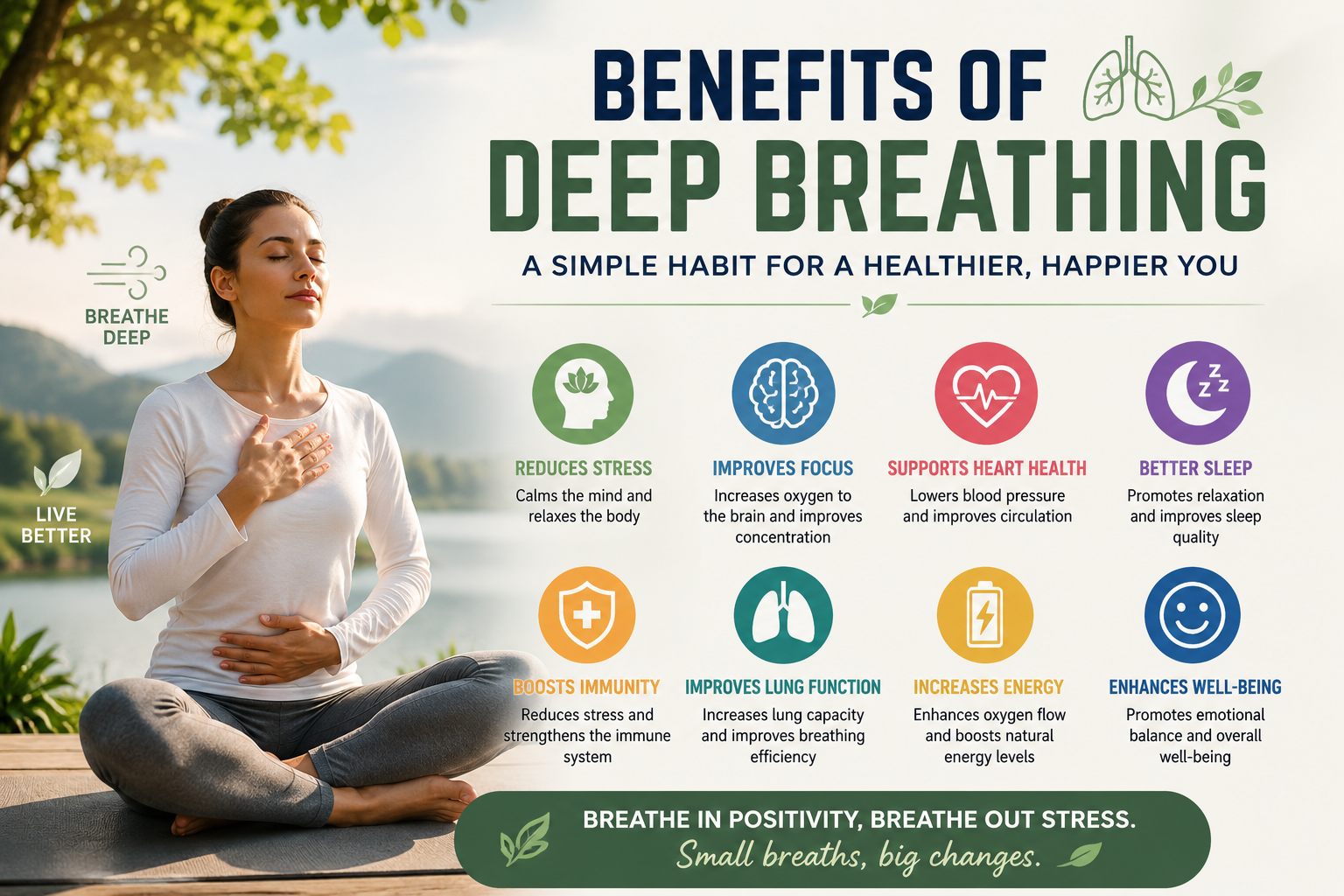
One of the easiest ways to master How to practice patience is controlled breathing.
When you become angry or frustrated:
- Inhale slowly for four seconds.
- Hold your breath briefly.
- Exhale slowly for four seconds.
Repeating this exercise while practicing How to practice patience helps your body relax and gives your mind time to think clearly.
Accept That Delays Are Normal
Traffic, long lines, and unexpected problems happen to everyone.
Instead of becoming angry, remember that delays are part of life. Accepting this reality is an essential part of How to practice patience.
The more you accept situations you cannot control, the more peaceful your life becomes.
Practice Mindfulness
Mindfulness teaches you to focus on the present moment instead of worrying about the future.
If you’re serious about learning How to practice patience, mindfulness is one of the best techniques available.
Spend five to ten minutes every day sitting quietly while focusing only on your breathing.
Set Realistic Expectations
Many people become impatient because they expect instant success.
One important lesson in How to practice patience is understanding that meaningful achievements require consistent effort.
Whether you’re learning a language, starting a business, or improving your fitness, progress takes time.
Break Big Goals into Small Steps
Large goals often feel overwhelming.
Instead of expecting immediate results, divide your goal into smaller milestones.
This strategy supports How to practice patience because every small success keeps you motivated without feeling discouraged.
Learn from Mistakes
Everyone makes mistakes.
Instead of criticizing yourself, view every mistake as a learning opportunity.
People who truly understand How to practice patience know that failure is often the first step toward success.
Practice Gratitude
Gratitude changes your perspective.
Spend a few minutes every day thinking about things you’re thankful for.
Adding gratitude to your daily routine strengthens How to practice patience because it shifts your focus from frustration to appreciation.
Improve Your Listening Skills
Listening carefully teaches patience.
Instead of interrupting others, allow them to finish speaking completely.
Developing this habit is another powerful way to improve How to practice patience while building stronger relationships.
Reduce Stress
Stress often makes people impatient.
Exercise regularly, sleep well, eat healthy foods, and take short breaks throughout the day.
Reducing stress naturally improves How to practice patience because your mind becomes calmer.
Avoid Multitasking
Doing many tasks at once often increases frustration.
Focus on one activity before moving to the next.
This simple habit supports How to practice patience by improving concentration and reducing mental overload.
Be Kind to Yourself
Nobody becomes patient overnight.
Remember that learning How to practice patience is a lifelong journey.
Celebrate small improvements instead of expecting perfection.
Self-compassion makes personal growth much easier.
Practice Patience in Relationships
Healthy relationships require patience.
Listen with empathy, communicate respectfully, and avoid reacting during emotional moments.
Couples, families, and friends who understand How to practice patience usually enjoy stronger and longer-lasting relationships.
Patience at Work
Professional success often depends on patience.
Projects take time.
Promotions require experience.
Customers may become difficult.
Understanding How to practice patience helps professionals remain calm while solving problems effectively.
Teaching Children Patience
Children learn by watching adults.
Parents who demonstrate How to practice patience create a positive environment where children learn emotional control naturally.
Encourage waiting, sharing, and problem-solving instead of rewarding instant gratification.
Common Obstacles to Patience
Some challenges make patience more difficult.
These include:
- Lack of sleep
- High stress
- Unrealistic expectations
- Poor time management
- Constant distractions
Recognizing these obstacles makes How to practice patience much easier.
Daily Habits That Build Patience
Simple habits can strengthen patience every day.
Try these:
- Read for 20 minutes.
- Practice meditation.
- Exercise regularly.
- Write in a journal.
- Take slow walks.
- Limit social media.
- Sleep at least seven hours.
These habits naturally improve How to practice patience over time.
Benefits of Practicing Patience
Learning How to practice patience offers many long-term benefits.
These include:
- Better emotional control
- Improved mental health
- Healthier relationships
- Increased productivity
- Better decision-making
- Reduced anxiety
- Greater happiness
- More confidence
Patience helps people handle challenges with wisdom instead of frustration.
Final Thoughts
Learning How to practice patience is one of the best investments you can make in yourself. Every challenge becomes easier when you respond calmly instead of emotionally. By practicing mindfulness, controlling your reactions, setting realistic expectations, and focusing on personal growth, you will gradually master How to practice patience. Remember that patience is built one moment at a time. Stay consistent, trust the process, and continue practicing How to practice patience every day to enjoy a healthier, happier, and more successful life.