Stop Hoarding, Start Glowing: A Realist’s Guide to a Beauty Routine That Actually Works
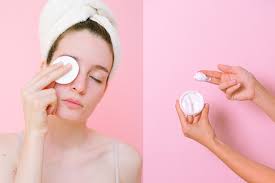
Let’s be honest for a second. My bathroom counter used to look like a chemistry lab explosion. I had twelve different serums, four types of eye creams, and enough lipstick to paint a small car. And guess what? My skin looked average, and I was broke.
Thank you for reading this post, don't forget to subscribe!We live in an era where influencers try to convince us we need a 15-step Korean skincare regimen to look human. I’m here to tell you that’s nonsense. You don’t need more products; you need the right products. Whether you are obsessed with organic ingredients or just want a mascara that doesn’t smudge by noon, the secret isn’t volume—it’s strategy.
This guide is my personal manifesto on cutting through the noise. I’m going to break down how to build a routine that covers skincare, makeup, and hair care without losing your mind or your savings.
The Foundation: Skincare That Doesn’t Waste Your Time
If your canvas is dirty or cracked, the paint won’t stick. That’s the golden rule. You can buy the most expensive foundation in the world, but if your skin barrier is compromised, it’s going to look cakey.
The Only Three Steps You Actually Need
You can ignore the hype about essences and toners if you’re just starting out. Focus on these three pillars:
The Cleanse: You need a cleanser that removes dirt without stripping your natural oils. If your face feels tight after washing, your cleanser is too harsh. I prefer gel cleansers for oily skin and cream cleansers for dry skin.
The Moisture: Even if you have oily skin, you need a moisturizer. Oily skin often overproduces oil because it’s actually dehydrated. A good moisturizer seals hydration in.
The Treatment (Anti-Aging/Prevention): This is where anti-aging comes in. You don’t wait for wrinkles to show up to fight them. Ingredients like Retinol or Vitamin C are the heavy lifters here.
Chemical vs. Natural: The Great Debate
I see this argument all the time. “Chemicals are bad, natural is good.” It’s not that black and white. Poison ivy is natural, but I wouldn’t rub it on my face. However, organic and vegan skincare has come a long way from just mashing up avocados in a bowl.
Here is how I decide between the two:
| Feature | Synthetic/Lab-Made | Organic/Natural |
| Potency | Often faster results (e.g., strong Retinoids). | Slower, cumulative results over time. |
| Shelf Life | Lasts longer due to preservatives. | Expires faster; check dates religiously. |
| Irritation | Can be harsh on sensitive skin. | Generally gentler, but essential oils can irritate. |
| Best For | Acne targeting, deep wrinkles. | Maintenance, sensitive skin, eco-conscious users. |
If you are looking for a balance, I’ve found that mixing both works best. Use a lab-formulated active for results, and a gentle organic moisturizer to soothe.
Makeup: The “Five-Minute Face”
I don’t have time to contour my nose for 20 minutes every morning. Most of us want to look polished, not pixel-perfect. My philosophy is to enhance features, not mask them.
The Big Three: Brows, Lashes, Lips
If you do nothing else, focus on these three areas. They define the structure of your face.
Eyebrows: They frame your face. A messy brow makes the whole look sloppy. You don’t need to draw them on with a sharpie. Just use a tinted gel or a fine pencil to fill in gaps. It lifts your entire eye area.
Mascara: This is the single most effective way to look awake. I’m picky about wands. I hate clumps. Look for a silicone wand if you want separation and length; go for a bristled brush if you want volume. Tip: Wiggle the wand at the root and pull up for maximum lift.
Lipstick: This is your power player. A red lip suggests confidence; a nude lip suggests polish. I always keep a hydrating formula in my bag because dry, flaky lips ruin the look.
Selecting the Right Shade
Finding the right shade for your cosmetics can feel like gambling. Here is a quick cheat sheet based on your vein color:
Blue Veins (Cool Undertone): Stick to berry, pink, or blue-based red lipsticks. Silver jewelry usually looks better on you.
Green Veins (Warm Undertone): Corals, peaches, and orange-based reds are your friends. Gold jewelry makes you glow.
Mixed/Purple Veins (Neutral Undertone): You hit the lottery. You can wear almost anything.
Hair Care: The Forgotten Stepchild of Beauty
We spend hundreds on our face and then wash our hair with $2 detergent. Hair care is basically skincare for your scalp. If your scalp is unhealthy, your hair won’t grow.
I stopped washing my hair every day, and it changed everything. Over-washing strips natural oils, signaling your scalp to produce more oil to compensate. It’s a vicious cycle.
My Non-Negotiables for Hair:
Scalp Scrub: Once a month to remove product buildup.
Hair Oil: Apply to the ends, never the roots (unless it’s a specific scalp treatment).
Silk Pillowcase: It sounds bougie, but it prevents breakage and frizz while you sleep.
Sourcing Your Products: Quality Over Hype
Buying beauty products online is tricky. You have massive marketplaces filled with counterfeits and expired goods. I’ve learned the hard way that saving $5 on a sketchy site isn’t worth a chemical burn.
You need a source that curates high-quality items rather than just dumping inventory on you. This is why I appreciate retailers that focus on a specific standard of quality. For example, if you are looking to restock your vanity with reliable cosmetics, K. Mitchell Cosmetics is a solid option to explore.
I like finding shops that offer a mix of skincare essentials and color cosmetics in one place. It saves on shipping and ensures the products have been vetted. Whether you need a new facial kit or reliable beauty tools, K. Mitchell Cosmetics offers that curated feel I look for. It cuts down the decision fatigue when you know the selection is already filtered for quality.
Troubleshooting: Why Is My Routine Failing?
Sometimes you buy all the right stuff, and your face still rebels. Here is what is usually going wrong.
1. The “Pilling” Disaster
You apply foundation, and it rolls off your face in little balls.
The Cause: You are mixing oil-based products with water-based products.
The Fix: Check your ingredients. If your primer is silicone-based, your foundation should be too. If you use a water-based moisturizer, let it dry completely before adding oil-based makeup.
2. The Random Breakout
You started a new routine and now you have acne.
The Cause: It’s either “purging” or a reaction.
The Fix: If the breakout is where you usually get acne, it’s likely purging (your skin clearing itself out). This happens with Retinol. If you are breaking out in new places, you are allergic or the product is clogging your pores. Stop using it immediately.
3. Cakey Under-Eyes
You look 10 years older after applying concealer.
The Cause: Too much product on dry skin.
The Fix: Hydrate the under-eye area first. Then, apply concealer only on the dark shadow, not the whole area. Blend with a damp sponge, not a brush.
Detailed Ingredient Breakdown
I want you to be able to read a label without needing a PhD. Here are the buzzwords that actually matter versus the ones that are just marketing fluff.
| Ingredient | What It Actually Does | Who Needs It |
| Hyaluronic Acid | Holds 1000x its weight in water. It pumps water into the skin. | Everyone, especially dry skin types. |
| Salicylic Acid | Dissolves oil deep inside the pore. | Acne-prone and oily skin. |
| Niacinamide | Reduces redness and regulates oil. A multitasking hero. | Sensitive skin or those with large pores. |
| Peptides | Chains of amino acids that signal skin to make collagen. | Anyone concerned with anti-aging. |
| Sulfates (SLS) | Creates foam but strips oil. | People who love squeaky clean hair (but be careful). |
The “Clean” Beauty Reality Check
Let’s talk about organic and vegan labels again. “Vegan” just means no animal by-products (like beeswax or carmine). It doesn’t automatically mean “good for your skin.” You can have a vegan product full of synthetic fillers.
“Organic” means the ingredients were grown without certain pesticides. This is great for the environment and often better for your body load, but remember: cyanide is organic. Just because it’s a plant doesn’t mean it won’t irritate you.
My Advice: Look for “Fragrance-Free” if you have sensitive skin. Essential oils (often found in organic products) are common allergens. Test a small patch on your neck before slathering it all over your face.
Final Thoughts
Building a beauty routine shouldn’t feel like a chore or a drain on your bank account. It’s about respect—respect for your skin, your time, and your money. Start with a good cleanser and moisturizer. Find a lipstick that makes you feel dangerous. Take care of your brows.
Don’t let the industry bully you into thinking you aren’t enough. You are. The products are just tools to highlight what’s already there.
Would you like me to help you analyze the ingredients of a specific product you’re currently using to see if it fits your skin type?
Frequently Asked Questions
1. Can I mix Vitamin C and Retinol?
Generally, no. Using them at the same time can cause severe irritation and redness. The best practice is to use Vitamin C in the morning (under sunscreen) to fight free radicals and Retinol at night to repair and turnover cells.
2. How often should I actually wash my hair?
There is no single answer, but for most people, every day is too much. If you have thick or curly hair, once or twice a week is enough. If you have fine, straight hair, maybe every other day. Use dry shampoo on the off days to soak up oil.
3. Do I really need an eye cream?
Honestly? Probably not. Most facial moisturizers work fine around the eyes. However, if you have specific issues like dark circles or puffiness, an eye cream with caffeine or specialized peptides can help. But for basic hydration, your face cream is sufficient.
4. What is the difference between dry and dehydrated skin?
Dry skin is a skin type that lacks oil. Dehydrated skin is a skin condition that lacks water. You can have oily skin that is dehydrated. Dry skin needs oils (emollients); dehydrated skin needs water-binders (humectants like Hyaluronic Acid).